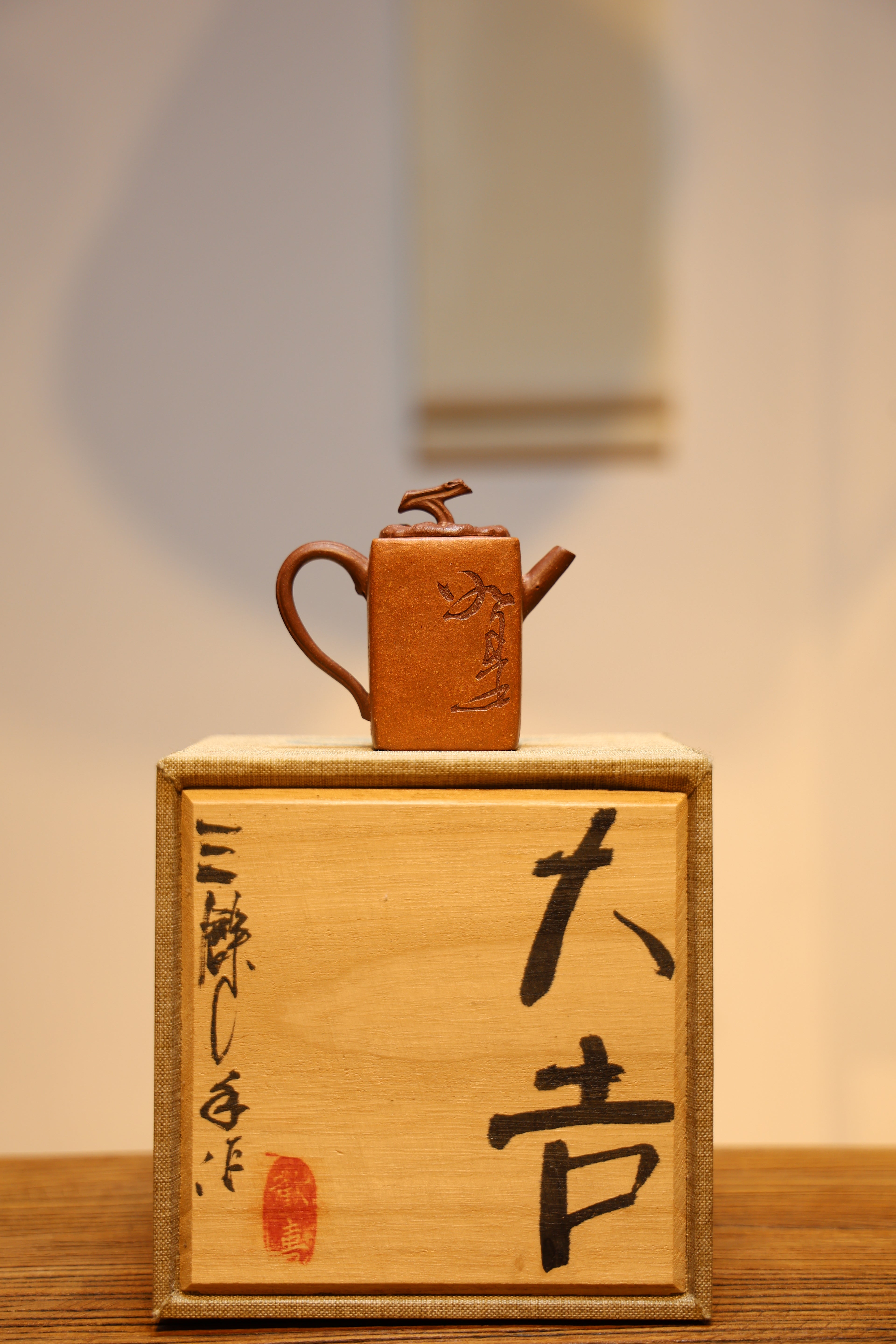
Can an elegantly packaged Chinese Teapot bundle boost your average order value online?
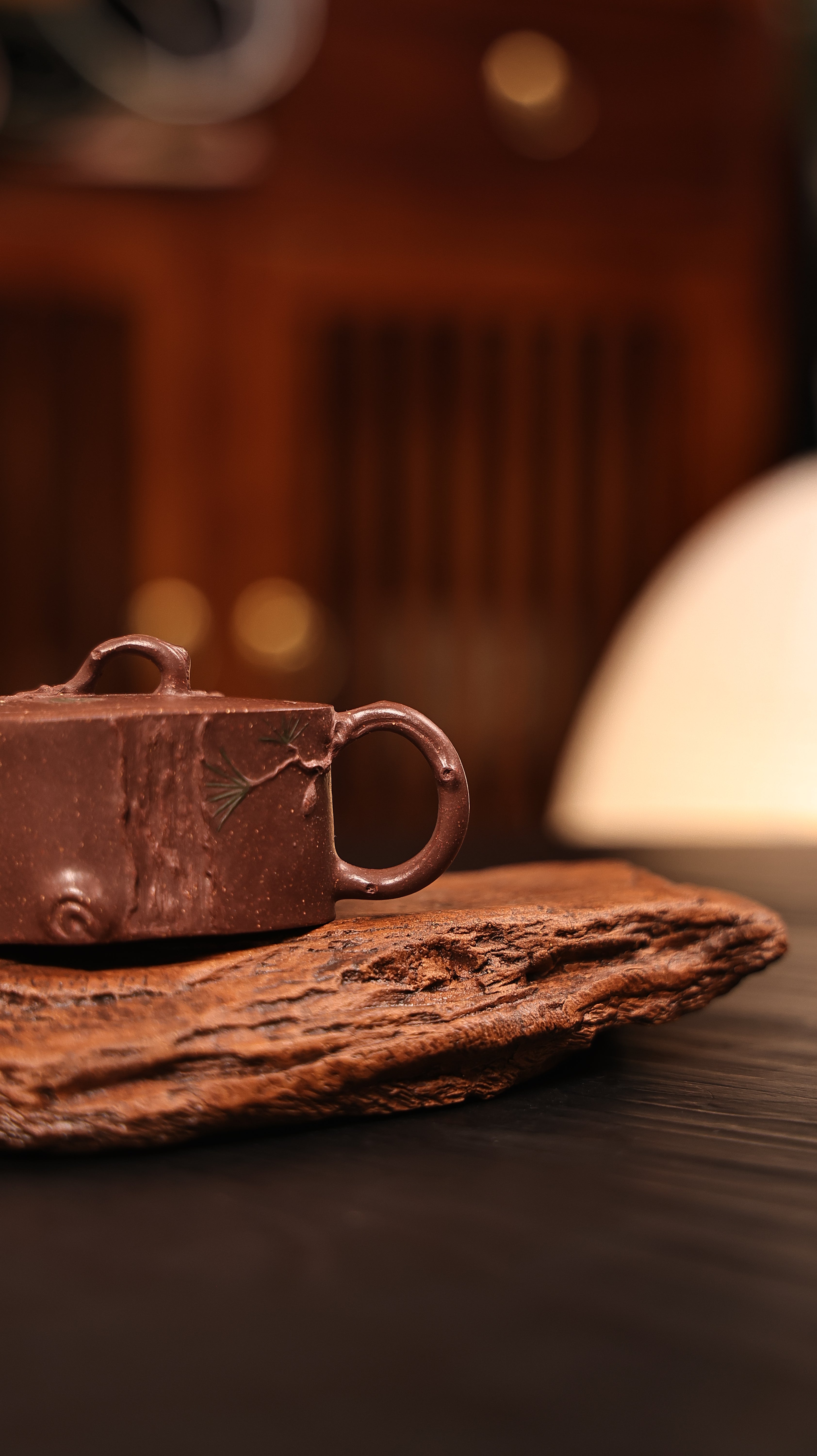
Periods of lovers have long cherished the uncommon appeal of Yixing Zisha pots. Founded in the secluded town of Yixing, China, these pots are fabricated from a exotic and harvested purple clay acknowledged for its notable thermal traits and aptitude to elevate the aroma of brews. Beyond their valuable appeal, Zisha teapots express a extensive historical tradition, rendering them markedly esteemed and a real gem for any dedicated teapot devotee.
Discovering Yixing Vessels
These teapots highlight a singular mixture of history and craftsman craftsmanship. Founded in Yixing, Jiangsu Zone of China, their narrative goes back the Ming Dynasty, although evidence suggest earlier instances. The distinctive purple clay, called Zisha, found just in the Yixing region, is the crucial component, contributing to the pots' superior heat keeping and the manner they alter the taste of tea. Epochs of potters have honed techniques—often bequeathed through families—including molding the clay, applying intricate embellishments, and firing the pots at accurate temperatures.- In the past, Yixing teapots were often trimmed with simple designs.
- Afterwards, more complex carvings and expressive motifs became common.
- The baking procedure itself is a vital element, requiring extensive periods of mastery.
Curating Zisha Teapots: Crucial Checkpoints
Beginning a campaign to gather Zisha containers can be fulfilling, but it’s required to understand what to seek. Authenticity is principal; focus on the potter’s natural tinge, a delicate reddish-brown is standard. Examine the structure; genuine Zisha has a characteristic tactile sensation, often depicted as slightly rough. The design should be well-proportioned and consistent with classic styles, while stamps, if present, require scrupulous examination for genuineness. Don’t hold back to consult with professional consultants or established contacts – their guidance is invaluable.
A Containers: Surveying the Tradition of famous Zisha
Ages have seen Yixing Purple Earth teapots possess a remarkable role in Chinese culture. These masterfully created pots, sourced distinctively from the province of Yixing, are prominent for their distinctive color, consistency, and their ability to boost the scent of decoctions. Scores of collectors acquire antique Yixing teapots, valuing them highly not only for their aesthetic appeal, but also for the story they embody.
Yixing Zisha Teapots: Distinguished Choice Sorts and Their Details
Yixing Ceramics teapots, developed in the traditional province of Yixing, China, are well-known for their remarkable clay and unparalleled brewing characteristics. Amid the multiple Zisha types, particular forms that are highly esteemed include Zhuni. Binzhou, known for its dark purple shade and smooth texture, delivers a tempered flavor. Duan Ni category, recognizable by its mahogany color and moderately grainy feel, is regarded to enhance tea’s weight. Lastly, Zhuni class boasts an exceptional vermilion tone and can provide a delightful nuance. Each variety affords a alternative experience, allowing them extremely desirable to potion enthusiasts.
Conquering One’s Purple Clay Cup
To realize the essence of your Yixing kettle, appreciating the correct way is vital. These clay pots, celebrated for their texture, will incrementally take on the quality of the tea you infuse within them. Begin by washing the urn thoroughly with heated water. Then, use only premium unpacked leaf tea, as lower quality options can affect the clay’s delicate qualities. Always let the leaves to extend completely, and remember that with each steeping, your Yixing kettle will become gradually cherished.
Securing Your Priceless Zisha Treasure
Proper treatment for your Zisha teapot is crucial to maintaining its durability and worth. Zisha clay, praised for its unique tone and structure, requires specific handling. Never use stringent soaps, as these can spoil the finish. After every application, rinse the teapot with moderate temperature water and allow it to dry completely.
- Eschew soaking the jar for extended durations.
- Sporadically use a soft towel to dust the exterior.
- Consider applying a thin layer of food-grade lubricant inside the urn after drying, which can prevent staining.
Introduction to Yixing Earthenware
Yixing earthenware, originating from the Yixing region in Jiangsu Province, part of China, are celebrated for their distinctive aspects. Made from the unique purple ground known as Zisha, these earthenware are prized by concoction enthusiasts worldwide. This overview will succinctly explain the pillars – covering types of Zisha soil, well-liked shapes, and fundamental care tips. Understanding the origin of Yixing earthenware can expand your appreciation for this celebrated example of Asian custom.
Expertise of Eastern Pots: Focusing on Zisha sourced from the Yixing district
Zisha material from the Yixing territory represents the pinnacle of Yuan vessel design, showing a exclusive compound of raw beauty and valuable artistry. These famous pieces are honored for their saturated color palettes, often spanning dark purples and brown hues to soft greys and light beiges. The distinct mineral composition of the area’s Zisha ground imparts a defining texture and yields a satisfying aroma that elevates the total infusion experience, causing them extremely desired collectibles and vital components of any serious ritual.