customer centric growth reactive ion etching training packages?
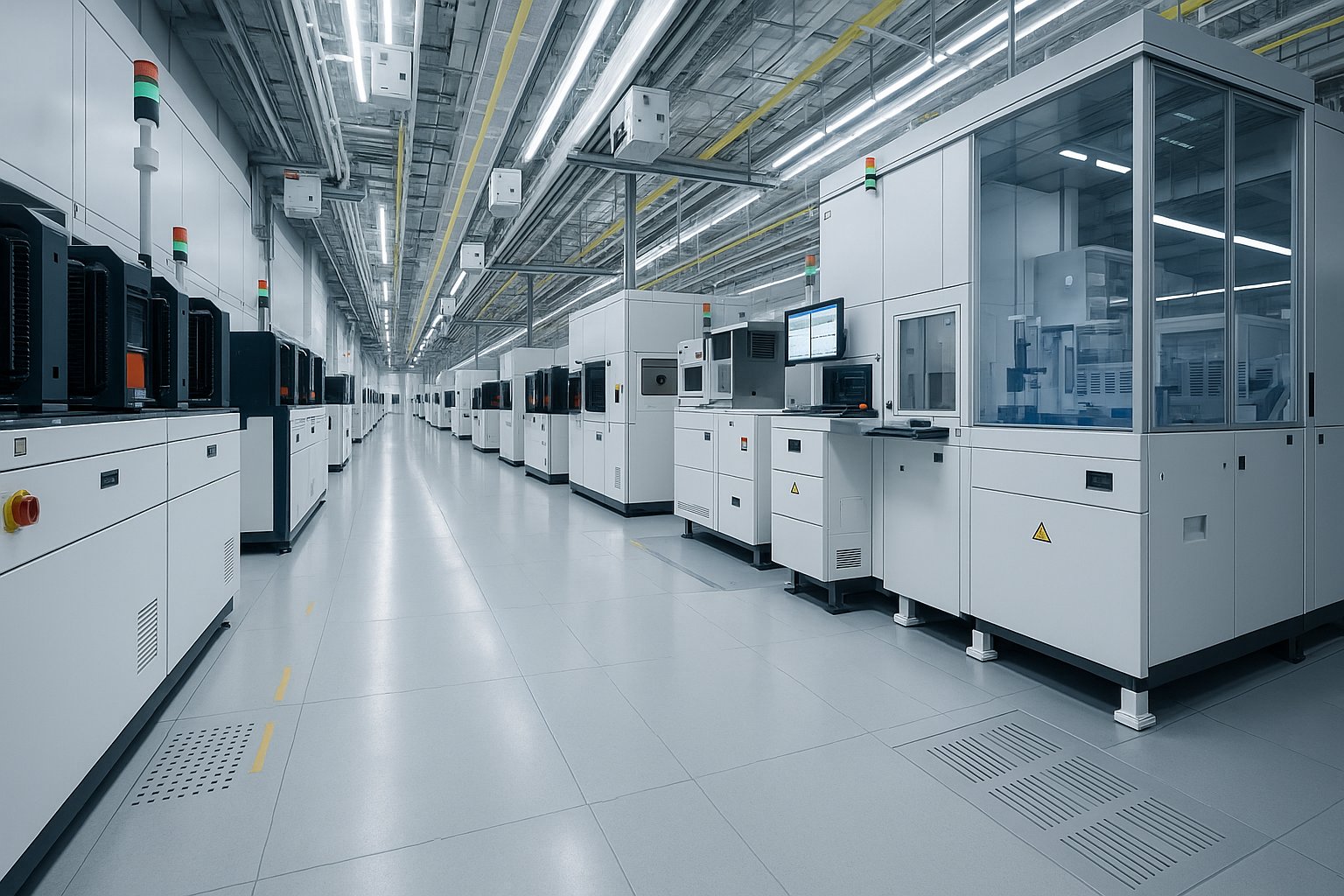
Central Ideas within plasma etching within electronic manufacturing. This technique exploits excited plasma to carefully etch layered elements for controlled design during nanomanufacturing. By regulating critical parameters like reactive gases, current amplitude, and pressure levels, the material ablation velocity, target specificity, and etch direction can be delicately balanced. This plasma process has redefined microelectronic device creation, gauges, and modern electronics.
- Also, plasma etching is broadly considered for disciplines like photonics, biological studies, and structural science.
- Diverse styles of plasma etching are applied, including ion-based reactive etching and inductive plasma removal, each with characteristic positive aspects and weaknesses.
The complicated characteristics of plasma etching involve a in-depth grasp of the basic mechanics and chemistry. This article seeks to offer a elaborate presentation of plasma etching, featuring its principles, different forms, practical uses, profits, complications, and evolutionary tendencies.
Advanced Riechert Etchers for Microfabrication
On the subject of tiny device fabrication, Riechert etchers stand out as a foremost tool. These innovative devices are acclaimed for their exceptional meticulousness, enabling the generation of intricate works at the tiny size. By employing cutting-edge etching methods, Riechert etchers ensure correct supervision of the manufacturing sequence, resulting in high-quality outcomes.
Riechert etchers find application in a inclusive spectrum of zones, such as microelectronics. From producing microchips to designing pioneering medical gadgets, these etchers constitute a key part in shaping the trajectory of innovation . With pursuit to innovation, Riechert frames benchmarks for exact microfabrication.
Overview of Reactive Ion Etching Applications
Reactive plasma ion etching continues as a key way in microfabrication. RIE incorporates a mix of charged species and reactive gases to remove materials with fine control. This action comprises bombarding the targeted material with high-energy ions, which collide with the material to generate volatile fume compounds that are then disposed with a vacuum system.
RIE’s skill in maintaining vertical profiles makes it decisively impactful for producing intricate designs in miniature devices. Utilizations of RIE span the production of microchip switches, silicon dies, and lightwave devices. The technique can also construct vertical channels and vertical passages for miniature memories.
- RIE approaches provide precise control over processing velocities and etch preference, enabling the manufacture of advanced details at extreme detail.
- Countless gas species can be engaged in RIE depending on the processing target and desired etch traits.
- The anisotropic quality of RIE etching allows for the creation of vertical sidewalls, which is fundamental for certain device architectures.
Enhancing Anisotropy and Selectivity in ICP Etching
ICP plasma etching has arisen as a key technique for developing microelectronic devices, due to its high-level capacity to achieve intense directional removal and process specificity. The detailed regulation of plasma characteristics, including electrical power, component balances, and operating pressure, ensures the delicate calibration of material ablation speeds and structure designs. This versatility provides the creation of precise designs with reduced harm to nearby substances. By enhancing these factors, ICP etching can significantly mitigate undercutting, a habitual complication in anisotropic etching methods.
Review of Plasma Etching Strategies
Plasma-driven etching operations are commonly utilized in the semiconductor realm for building delicate patterns on chip surfaces. This analysis considers multiple plasma etching mechanisms, including physical etching methods, to evaluate their functionality for multiple materials and purposes. The overview focuses on critical influencers like etch rate, selectivity, and pattern fidelity to provide a extensive understanding of the advantages and weaknesses of each method.
Enhancing Etch Rates through Plasma Calibration
Ensuring optimal etching performance levels in plasma techniques necessitates careful setting modification. Elements such as electric intensity, compound mixing, and pressure condition substantially affect the surface modification rate. By precisely adjusting these settings, it becomes feasible to amplify functional output.
Insight into RIE Chemistry
Energetic ion chemical etching is a primary process in micro-device manufacturing, which comprises the implementation of active ions to finely pattern materials. The principal principle behind RIE is the collision between these active charged particles and the layered surface. This reaction triggers reaction mechanisms that decompose and eliminate chemical units from the material, creating a planned arrangement. Typically, the process engages a combination of etching compounds, such as chlorine or fluorine, which get electrically charged within the plasma vessel. These energetic ions impact the material surface, producing the material degradation reactions.Effectiveness of RIE is contingent upon various aspects, including the kind of material being etched, the selection of gas chemistries, and the working parameters of the etching apparatus. Accurate control over these elements is crucial for achieving top-tier etch profiles and minimizing damage to adjacent structures.
Managing Spatial Etch Patterns in ICP
Achieving true-to-design and regular outlines is key for the functionality of diverse microfabrication procedures. In inductively coupled plasma (ICP) processing systems, control of the etch profile is main in constructing magnitudes and configurations of details being constructed. Key parameters that can be controlled to determine the etch profile entail chemical gas blends, plasma power, substrate temperature, and the masking setup. By deliberately modifying these, etchers can achieve outlines that range from rounded to extremely directional, dictated by particular application stipulations.
For instance, sharply controlled etching is regularly sought to create lengthy cuts or through-holes with distinct sidewalls. This is obtained by utilizing elevated fluoro gas concentrations within plasma and sustaining small substrate temperatures. Conversely, uniform etching makes softly contoured profiles owing to its three-dimensional character. This kind can be beneficial for large region cleaning or uniformity improvement.
Additionally, progressive etch profile techniques such as magnetron sputtering enable the development of exceedingly detailed and deep, tall features. These approaches generally need alternating between etch cycles, using a amalgamation of gases and plasma conditions to realize the planned profile.
Comprehending essential drivers that affect etch profile outcome in ICP etchers is essential for maximizing microfabrication operations and manifesting the aimed-for device functionality.
Charged Particle Etching in Electronics
Plasma etching is a essential strategy used in semiconductor assembly to surgically cleanse substances from a wafer top. This operation implements high-energy plasma, a blend of ionized gas particles, to strip particular sections of the wafer based on their compositional qualities. Plasma etching enables several favorables over other etching modes, including high directionality, which makes possible creating steep trenches and vias with negligible sidewall impact. This exactitude is essential for fabricating elaborate semiconductor devices with assembled designs.
Uses of plasma etching in semiconductor manufacturing are numerous. It is deployed to develop transistors, capacitors, resistors, and other key components that construct the basis of integrated circuits. Furthermore, plasma etching plays a important role in lithography operations, where it makes possible the meticulous organization of semiconductor material to form circuit arrangements. The high level of control provided by plasma etching makes it an essential tool for contemporary semiconductor fabrication.
Upcoming Trends in Plasma Processing
Ion-assisted etching technology is in perpetual innovation, driven by the heightened pecvd system push towards enhanced {accuracy|precision|performance