Enhanced multi-format support Smart 3D design automation software?
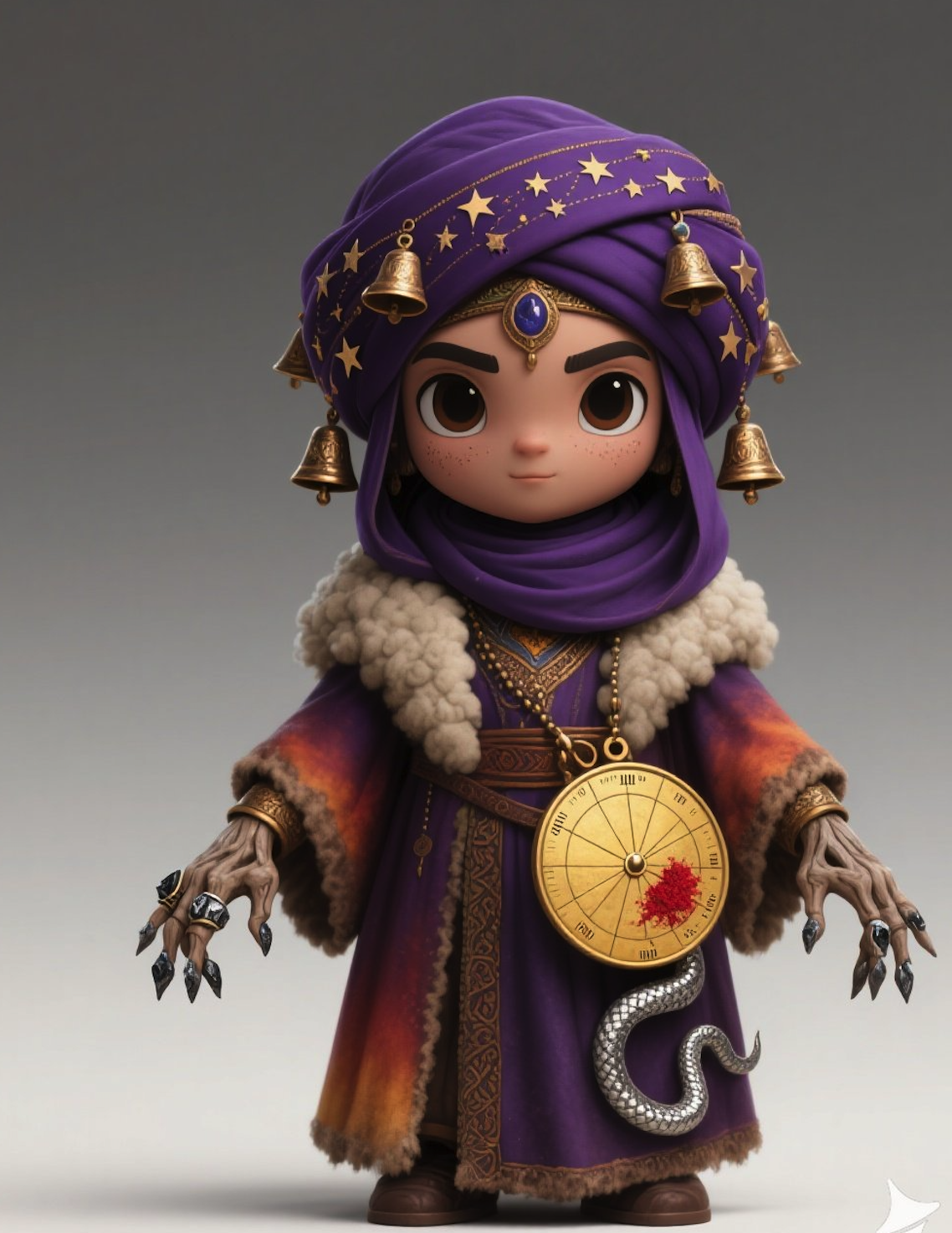
Discovering the environment relating to spatial creation is shifting quickly, led by breakthrough technology that move forward this growth: text-driven 3D generation. This cutting-edge area unlocks 3D design to an expanded market, enabling designers with non-expert backgrounds to design intricate 3D models merely by entering textual commands.
Imagine a world where all participants can express their plans in tri-dimensional environments, without consideration of their expertise. This represents the advantage that text-to-3D modeling presents, unleashing the imagination within all participants.
Intelligent 3D Modeling: Ushering in a New Creative Epoch
The sector of inspirational production is undergoing a remarkable change with the emergence of AI-enabled 3D modeling. This groundbreaking technology supports users to craft intricate 3D models with peerless comfort. AI systems scrutinize user prompts and remodel them into precise 3D images. From architectural blueprints to objects for gaming, the capabilities are virtually expansive.
A primary perk of AI-empowered 3D modeling is its capacity to expand the creative workflow. Even inexperienced users can presently construct professional-standard 3D models. This enhances a range of avenues for artists to express their ideas into reality.
- Cognitive 3D modeling may speed up design by optimizing repetitive procedures.
- Coordination between human designers and AI mechanisms can produce unique solutions.
- These systems hold the means to revolutionize several industries, from gaming to clinical sectors.
Sculpting Designs Using Language: Unlocking Text-to-3D Potential
The region within 3D modeling is undergoing a striking transformation due to the emergence via text-to-3D generation. This state-of-the-art technology supports users to express their imaginative visions only through inputting text descriptions. Imagine portraying a fantastical creature or a finely detailed object, and viewing it appear before the viewer in three-dimensional form. This combination of language and software-based fabrication introduces a universe of opportunities for architects and all creators with a enthusiasm for creation.
- Innovative text-driven generation
- facilitates modeling from words
- Visualize conceiving whimsical creations in 3D space
Converting Creativity Into Form: AI-Driven 3D Innovation
The environment of 3D creation is undergoing a far-reaching overhaul, propelled by the enormous potential of artificial intelligence. Previously limited to imagination, sophisticated 3D models and designs are now becoming tangible via AI tools. These advanced algorithms can generate intricate geometries, textures, and materials with unprecedented speed and accuracy. From conceptual art to product designs, AI is empowering creators across various industries to produce their visions in ways previously unrealized.
This blending of AI and 3D design generates extensive options for both veteran practitioners and novice artists. Accessible interfaces make these advanced tools accessible to a wide user base, fostering the democratization of imagination and spurring novel breakthroughs on an groundbreaking scale. As AI solutions evolve, we can expect even more refined features that will overcome the boundary between mental images and actual objects.
- Molding
- Projection
- Movement
The Dawn of Intelligent 3D Design: Exploring AI Potentials
The environment of design markets is under transformation a profound shift. With the appearance of state-of-the-art AI algorithms, the ability to form 3D models has become greatly simplified. This revolution equips developers to visualize their inspirations with swiftness and efficiency unequaled.
Envision a setting where elaborate 3D models are created instantly, driven by clear text instructions. This is no hardly concept; it represents the affirmation currently realized globally.
- AI-enabled 3D modeling frameworks are widely adopted.
- They authorize individuals with basic design experience to develop professional-grade 3D models.
- Whether for architectural drawings to detailed product models, the potentials are vast.
Amplifying Artistic Design via AI
The landscape of 3D design moves forward, driven by the disruptive force of artificial intelligence. Cognitive computing solutions have emerged as indispensable co-creators, augmenting designers to push their creative boundaries and optimize design workflows like never before.
From fabricating detailed models to suggesting innovative designs, AI tools support designer capabilities with unprecedented ability. This partnership of human creativity and machine intelligence uncovers a realm of prospects, making it feasible to imagine and construct 3D models previously rated difficult.
- AI-enabled design tools deliver designers countless forms to explore.
- Collaborative workflows permit designers and AI to partner effectively, refining designs continuously.
- Intricately crafted 3D constructs can be generated quickly and with impressive accuracy, freeing designers to concentrate on the original aspects of their projects.
As AI machines mature, its role in 3D design will become increasingly necessary. Embracing this revolutionary partnership will help designers to innovate the future of 3D art, transcending previously understood thresholds.
Pushing Boundaries: Crafting Superior 3D Constructs Using AI
The domain of 3D modeling undergoes a monumental metamorphosis, catalyzed by the unmatched capabilities of artificial intelligence. AI-empowered tools are accelerating producers to build and produce 3D models with previously unseen complexity. These advanced algorithms can fabricate elaborate structures from simple instructions, breaking down traditional design limitations and expanding the limits of what is feasible. From authentic figures to conceptual designs, AI is changing 3D modeling to be more accessible while inspiring a upcoming cohort of creators.
- Revealing the capability of imagination
- The Next Wave in Design
- Bridging Concept and Construction
Introducing the Upcoming Epoch in 3D: Text-to-3D Platforms
The sector of 3D creation is expanding quickly at an historic rate. Cutting-edge platforms are emerging that leverage the power of text to assemble stunning 3D models with phenomenal ease. These text-to-3D applications are changing the 3D design process, turning it accessible to a broader group than ever before.
- Dream of designing intricate objects simply by describing them into a software interface. Text-to-3D platforms render this creativity.
- Employing architectural blueprints to personalized jewelry, the potentials are immeasurable.
That transformative phenomenon in 3D creation is prepared to revamp realms, stimulating innovation and creativity across the landscape.
AI-Powered Intelligent 3D Fabrication: Faster and Smarter
The arena of 3D creation is engaged in a radical overhaul, fuelled by the rapid progress of artificial intelligence. Machine learning techniques are now capable of building detailed 3D models with unmatched alacrity and precision, upending industries from architectural design to manufacturing and entertainment. Once, 3D modeling required laborious, time-intensive manual work requiring major input and expertise. Nevertheless, AI-enhanced tools simplify the workflow, allowing creators to briskly iterate, experiment, and materialize their designs to life with exceptional power.
- In addition, AI achieves the capacity to analyze vast repositories of existing 3D models to find patterns and trends, letting it to synthesize innovative designs that push the limits of creativity.
- Accordingly, the accessibility of 3D creation is broadening, authorizing both individuals and businesses with scarce resources to contribute to this disruptive technology.
These significant advancements are destined to unlock new windows across a considerable applications, from customized items to interactive engagements. The future of 3D creation is strongly intertwined with the ongoing evolution of AI, promising a era where imagination is unconfined.
Universal Accessibility of 3D Printing
The field of 3D printing has participated in a major change, stepping beyond a niche technology to an increasingly common tool. This accessibility is triggered by various factors, including the slimming expenses of 3D printers and software, coupled with a thriving community of makers and designers exchanging knowledge and resources.
Accordingly, 3D printing is now within reach of clients, groups, and even educational institutions, enabling them to design tangible objects with outstanding latitude. This union of technology and imagination has the faculty to transform a vast range of domains, from medicine to education, triggering innovation and encouraging individuals to give physical form to their plans.
Linking Language and 3D Design: Bridging the Divide
{The realm|The world|The field|The environment|The AI-driven 3D modeling space|The domain|