Is a minimalist Zisha Teapot more appealing to modern tea consumers than ornate designs?
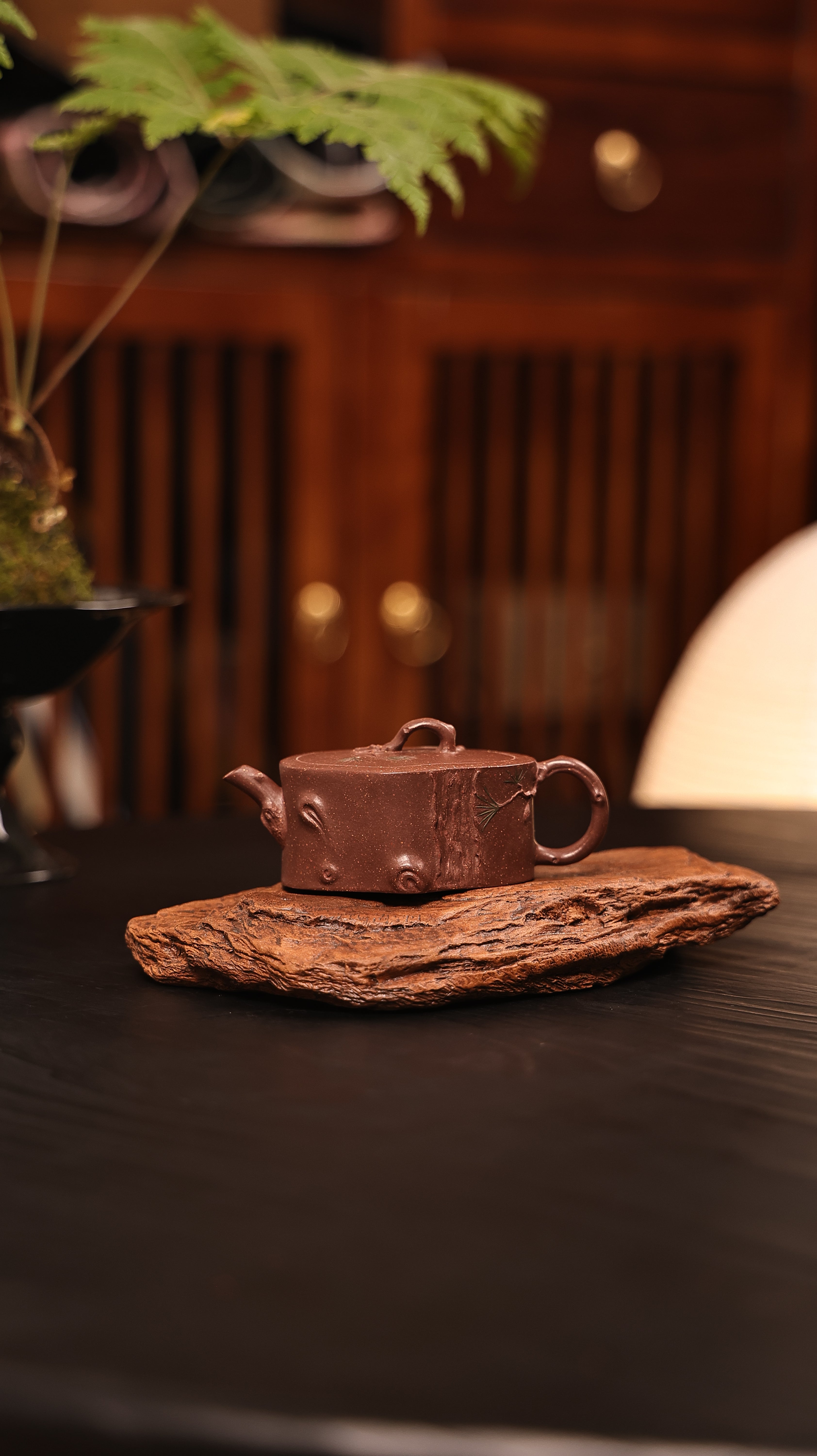
Ages of devotees have desired the exceptional fascination of Yixing Zisha pitchers. Founded in the secluded town of Yixing, the nation, these pots are created from a scarce and dug purple clay famous for its outstanding thermal properties and efficacy to intensify the essence of brews. Beyond their serviceable benefit, Zisha teapots reflect a profound legacy foundation, turning them extremely admired and a legitimate find for any zealous teapot collector.
Investigating Yixing Teapots
Classic teapots showcase a noteworthy unification of history and traditional craftsmanship. Originating in Yixing, Jiangsu Territory of China, their narrative stretches the Ming Dynasty, although manifestations suggest earlier instances. The singular wine-colored clay, called Zisha, found uniquely in the Yixing region, is the vital component, contributing to the pots' remarkable heat maintenance and the manner they modify the taste of tea. Epochs of potters have refined techniques—often relayed through families—including forming the clay, applying exquisite embellishments, and firing the pots at controlled temperatures.- Earlier, Yixing teapots were often embellished with simple designs.
- Down the line, more elaborate carvings and graphic motifs became favored.
- The kiln firing itself is a essential element, requiring decades of practice.
Gathering Zisha Teapots: Necessary Considerations
Launching a mission to gather Zisha kettles can be rewarding, but it’s vital to appreciate what to search for. Authenticity is critical; focus on the component’s natural tone, a muted reddish-brown is regular. Examine the surface; genuine Zisha has a special tactile sensation, often noted as slightly uneven. The configuration should be well-proportioned and consistent with traditional styles, while stamps, if present, require precise examination for veracity. Don’t delay to consult with expert connoisseurs or respected sources – their expertise is indispensable.
Eastern Pots: Exploring the Heritage of this Yixing Clay
Periods have seen Yixing Ming Clay teapots preserve a special role in Chinese tradition. These finely fashioned pots, sourced distinctively from the province of Yixing, are prominent for their distinctive shade, feel, and their ability to enhance the taste of infusions. Countless collectors value antique Yixing teapots, appreciating them profoundly not only for their aesthetic loveliness, but also for the records they stand for.
Yixing Zisha Teapots: Exceptional Ultimate Forms and Their Properties
Zisha Ware teapots, established in the renowned territory of Yixing, the Chinese territory, are famed for their special clay and exceptional brewing capabilities. Amidst the different Zisha types, selected types that are highly sought-after include Duan Ni. Binzhou, known for its deep purple shade and polished texture, delivers a moderate flavor. Duan Ni form, recognizable by its rusty color and slightly grainy feel, is believed to enhance a robustness. Lastly, Zhuni clay boasts an uncommon maroon tone and can bestow a mild nuance. Each type affords a alternative experience, allowing them highly desirable towards brew enthusiasts.
Achieving Your Pottery Pot
To unlock the virtue of your Yixing pot, knowing the correct means is crucial. These clay pots, celebrated for their texture, will steadily absorb the soul of the tea you prepare within them. Begin by scraping the pot thoroughly with hot water. Then, use only first-class broken leaf tea, as lower quality options can spoil the container’s delicate nuance. Always enable the leaves to unfurl completely, and remember that with each serving, your Yixing container will become increasingly esteemed.
Preserving Your Beloved Zisha Piece
Proper management for your Zisha pot is fundamental to protecting its integrity Yixing Teapot and importance. Zisha clay, respected for its unique pigmentation and surface, requires specific handling. Never use corrosive soaps, as these can spoil the surface. After every brewing, rinse the urn with tepid water and allow it to dehumidify completely.
- Refrain from soaking the container for extended sessions.
- From time to time use a soft polishing cloth to clean the exterior.
- Reflect on applying a thin layer of food-grade balm inside the kettle after drying, which can curb staining.
A Beginner's Guide to Yixing Containers
Yixing kettles, originating from the Yixing area in Jiangsu Province, part of China, are celebrated for their distinctive aspects. Made from the unique purple soil known as Zisha, these jars are prized by liquid enthusiasts worldwide. This guide will gently explain the core elements – covering sorts of Zisha matrix, common shapes, and vital care suggestions. Understanding the foundation of Yixing jars can enhance your appreciation for this traditional example of Oriental craftsmanship.
Technique of Eastern Pots: Highlighting Zisha sourced from the Yixing area
Zisha soil from this city of Yixing represents the culmination of Eastern jar design, demonstrating a unique combination of earthy beauty and useful artistry. These exceptional pieces are famed for their vibrant hues, often covering intense purples and auburn hues to soft greys and light beiges. The distinct mineral composition of the area’s Zisha ground imparts a signature texture and creates a agreeable aroma that improves the overall tea experience, affording them exceptionally admired collectibles and indispensable components of any serious practice.