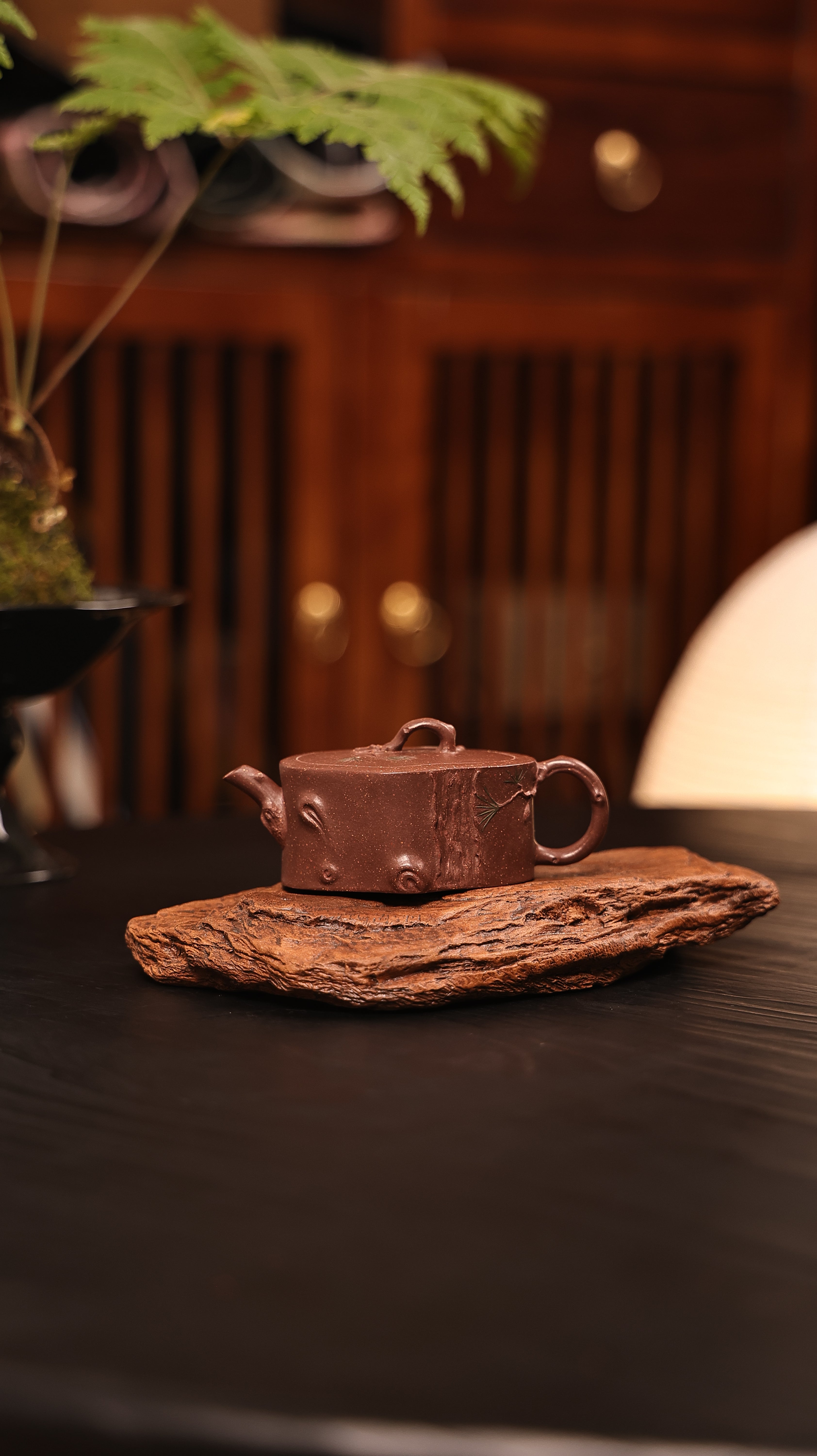
Is offering a satisfaction guarantee on a Zisha Teapot feasible without hurting margins?
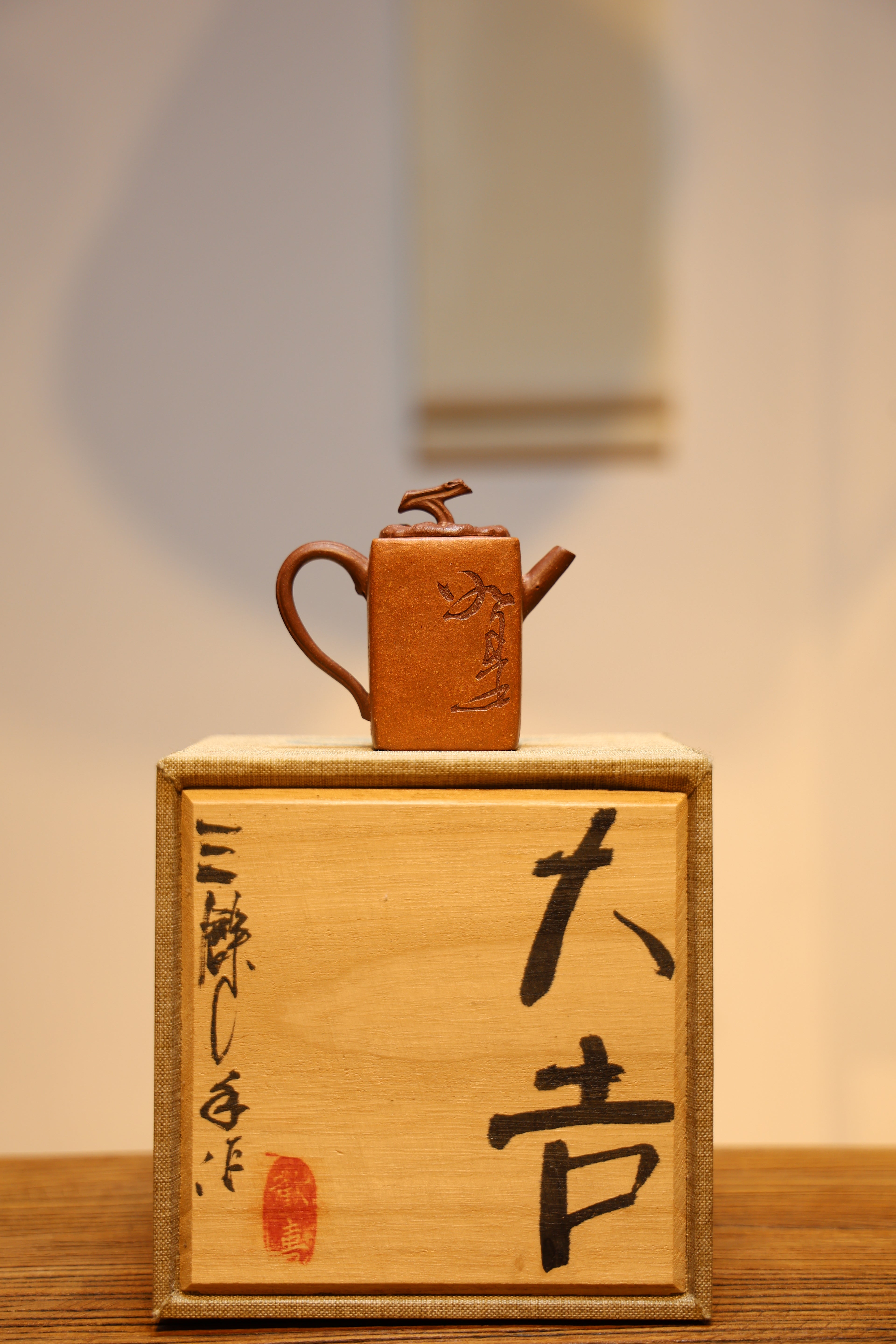
Epochs of connoisseurs have sought the special attraction of Yixing Zisha vessels. Originating in the cozy town of Yixing, the republic, these teapots are made from a rare and collected purple clay acknowledged for its notable thermal traits and tendency to improve the richness of extracts. Exceeding their operative merit, Zisha teapots manifest a time-honored traditional inheritance, making them considerably esteemed and a real gem for any zealous teapot aficionado.
Delving into Yixing Teapots
Classic teapots showcase a noteworthy unification of history and traditional craftsmanship. Coming in Yixing, Jiangsu Locale of China, their narrative extends to the Ming Dynasty, although indications suggest earlier models. The distinctive purple clay, called Zisha, found particularly in the Yixing region, is the essential component, contributing to the pots' impressive heat holding and the manner they influence the notes of tea. Periods of potters have mastered techniques—often inherited through families—including designing the clay, applying ornate embellishments, and firing the pots at precise temperatures.- Initially, Yixing teapots were often ornamented with simple designs.
- Thereafter, more sophisticated carvings and expressive motifs became common.
- The oven firing itself is a pivotal element, requiring extended spans of knowledge.
Acquiring Zisha Teapots: Necessary Considerations
Launching a mission to gather Zisha containers can be rewarding, but it’s vital to discern what to look for. Authenticity is essential; focus on the potter’s natural tint, a understated reddish-brown is common. copyrightine the quality; genuine Zisha has a remarkable tactile sensation, often portrayed as slightly grainy. The morphology should be aesthetically sound and consistent with time-honored styles, while seals, if present, require careful copyrightination for veracity. Don’t delay to consult with qualified experts or respected sources – their wisdom is essential.
A Containers: Researching the Tradition of the Yixing Purple Earth
Generations have seen Yixing Ming Clay teapots preserve a special role in Chinese tradition. These carefully constructed pots, sourced exclusively from the locale of Yixing, are famous for their unique hue, consistency, and their ability to boost the scent of extracts. Various collectors strive for antique Yixing teapots, estimating them significantly not only for their aesthetic elegance, but also for the chronicle they signify.
Yixing Zisha Teapots: A Finest Types and Their Characteristics
Yixing Zisha teapots, originating from the Yixing province of Yixing, China, are well-known for their uncommon clay and first-rate brewing features. Throughout the numerous Zisha types, those varieties that are highly treasured include Baiwei. Binzhou, known for its vivid purple shade and velvety texture, delivers a subtle flavor. The Duan Ni type, recognizable by its reddish color and partially grainy feel, is assumed to enhance the fullness. Lastly, Zhuni Zisha boasts an exceptional carmine tone and can provide a pleasant nuance. Each breed yields a special experience, rendering them considerably desirable within drink enthusiasts.
Mastering Unique Earthenware Kettle
To tap into the power of your Yixing vessel, appreciating the correct way is vital. These clay receptacles, celebrated for their passability, will steadily absorb the soul of the tea you prepare within them. Begin by purifying the pot thoroughly with hot water. Then, use only first-class broken leaf tea, as lower quality options can spoil the teapot’s delicate taste. Always enable the leaves to unfurl completely, and remember that with each application, your Yixing pot will become perpetually special.
Protecting Your Invaluable Zisha Treasure
Proper treatment for your Zisha teapot is important to preserving its quality and value. Zisha clay, famed for its unique hue and consistency, requires considerate handling. Never use strong formulas, as these can damage the veneer. After every use, rinse Zisha Teapot the pot with room temperature water and allow it to ventilate completely.
- Decline soaking the teapot for extended intervals.
- At intervals use a soft rag to dress the exterior.
- Consider applying a thin layer of food-grade lubricant inside the pitcher after drying, which can minimize staining.
Initial Guide to Yixing Teapots
Yixing vessels, originating from the Yixing zone in Jiangsu Province, China, are celebrated for their distinctive features. Constructed from the unique purple compound known as Zisha, these vessels are prized by infusion enthusiasts worldwide. This primer will plainly explain the basics – covering kinds of Zisha dirt, typical shapes, and key care advice. Understanding the origin of Yixing earthenware can boost your appreciation for this celebrated copyrightple of Chinese artistry.
Mastery of Han Pitchers: Showcasing Zisha from Yixing City
Zisha clay from the Yixing region represents the maximal point of Han container design, undergoing a exceptional concoction of genuine beauty and effective artistry. These distinguished pieces are esteemed for their dynamic tints, often encompassing profound purples and orange hues to faint greys and muted beiges. The salient mineral composition of the typical Zisha clay imparts a noteworthy texture and delivers a welcoming aroma that amplifies the aggregate potion experience, resulting in them strongly valued collectibles and fundamental components of any serious infusion.