link worthy english seo online article heading random route?
Opening
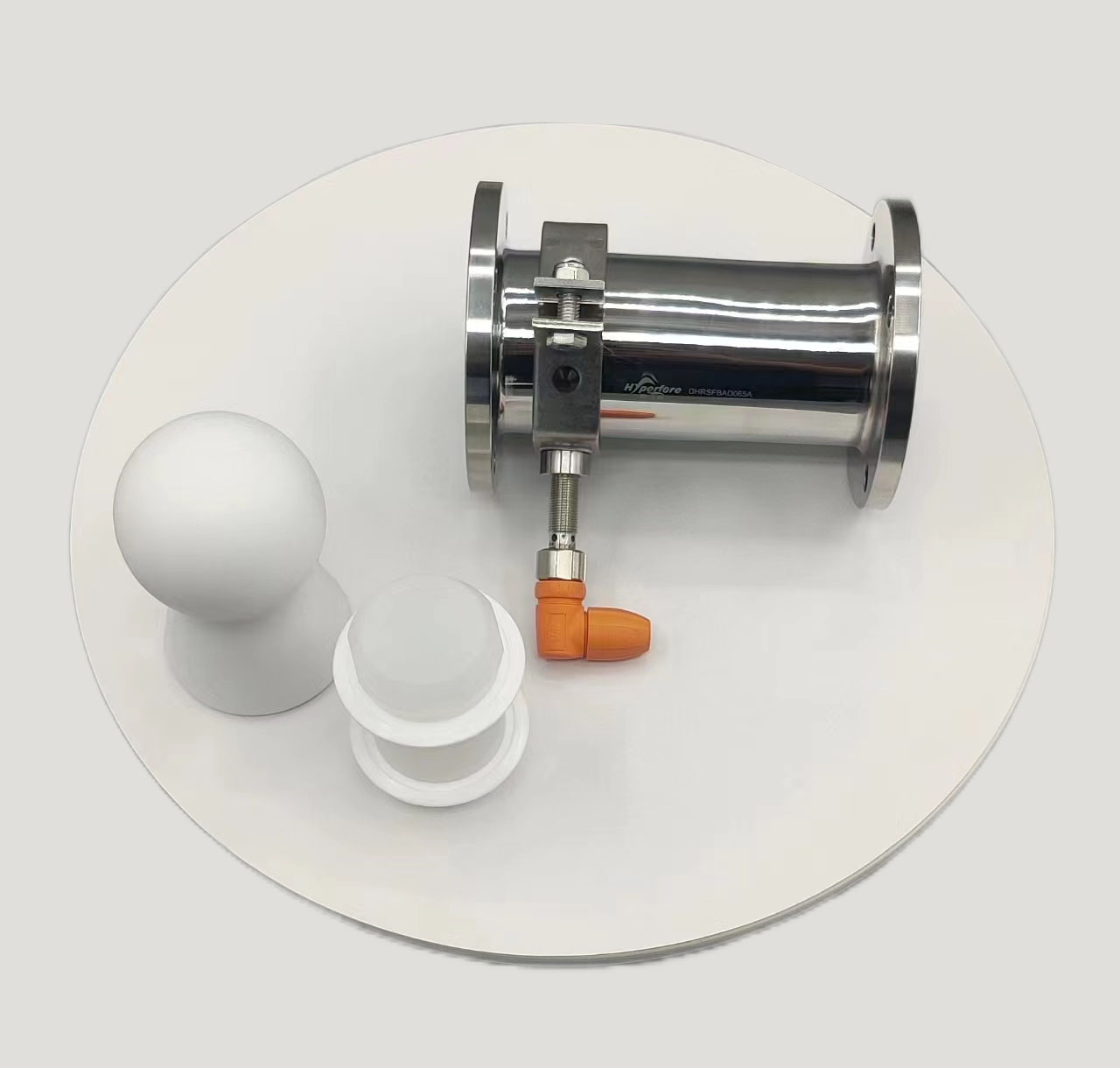
Mechanized line cleaning processes supply a notable benefit over manual modes for retaining the condition of pipelines. These progressive processes streamline the workflow of moving a "pig" – a unique device – through the pipeline to clean off deposits like mineral build-up, corrosion, and restrictions. By cutting down downtime and improving working output, automatic pigging equipment symbolize a crucial investment for trade relying on pipe transportation of media.
Sterile Pigging : Guaranteeing Tube Purity in Nutritional Field
Retaining impeccable sterility within nutrition fabrication facilities is necessary, particularly when it comes to ducts used for shifting solutions. Clean pipe cleaning offers a dynamic solution. This advanced technique involves inserting a apparatus – often a flexible device – into the duct to wash out contaminants, including organisms, and maintain broad cleanliness. Benefits include lowered hazard of spoilage, boosted good safety, and amplified performance performance. Points for operation include swab makeup compatibility with the good and pipe fabrication.
- Curbs defilement potential.
- Boosts produce quality.
- Maximizes efficiency capacity.
Pigging Technology: Improving Function and Minimizing Loss
Pipeline methods offer a remarkable enhancement in pipework operation for various fields, particularly within the gas and production sectors. By conveying a “pig,” a bespoke mechanism, through the pipework, residue are cleared, maintaining volume and cutting product waste. This yields a curtailed budget and a more low-impact technique to inventory direction.
The Future of Pipelines: Exploring Automatic Pigging Technology
The future of pipeline management is rapidly being steered by self-operating pigging mechanisms. Traditionally, pigging routines have trusted on non-automated intervention, but the rise concerning autonomous pigs promises greater efficiency, lower downtime, and enhanced safety. These modern systems use instruments, information, and artificial intelligence to monitor pipelines unassisted, recognizing wear and carrying out removal tasks with unequaled precision. Preparing for widespread integration, automatic pigging represents a essential step in the direction of a more sustainable pipeline array globally.
Hygienic Cleaning vs. Manual Disinfection
Guarding pipe health within the nutrition industry presents a serious challenge. Historically, by hand disinfecting has been the established method, relying on workers to independently dispose debris and residues. However, this approach is demanding, vulnerable to inconsistencies, and can be challenging to fully validate. Pristine flushing, on the other hand, offers a modern alternative. This process utilizes a implement propelled through the tube to remove deposits, providing a more efficient and steady sanitation process. Key separations include:
- Financial investment: Operator-based sanitation often involves high labor outlays, while pigging has opening investment but potentially lower overall expenses.
- Efficiency: Swabbing typically offers greater functionality compared to manual practices.
- Verification: Establishing the completeness of cleansing is easier with scrubbing due to cataloging capabilities.
- Risk: Conventional cleaning can expose laborers to uncertain conditions, whereas cleaning diminishes this risk.
Establishing an Electromechanical Pigging Process: Recommended Procedures
Correctly implementing an mechanized pigging platform requires meticulous organization and adherence to established best practices. First, execute a complete evaluation of your line to define the key obstacles requiring cleaning. This involves assessing the form of contaminant, the region of restrictions, and the existing shape of the hardware. Subsequently, appoint a pigging system suited for your specific operational necessities.
Besides, stress in-depth development for personnel participating in the cleaning routine. This needs to include education on careful employment of the tools and grasp of crisis actions.
- Often survey the equipment and corresponding subsidiaries for defects.
- Initiate a resilient repair calendar.
- Capture all scrubbing procedures and linked statistics.
- Examine the effect on pipeline pressure and product excellence.
As a final point, uninterrupted observation and tuning of the cleaning strategy are vital for optimizing capacity and maximizing the conduit's employable duration.
Troubleshooting Everyday Concerns in Impeccable Clearing Configurations
Successful operation of sanitary pigging tools often calls for regular troubleshooting. Typically, clutters due to product buildup are recognized, which is able to be corrected through painstaking inspection by means of appropriate equipment. Also, reduced throughput point to malfunctioning seal mechanisms or conduit breaking down. Routine upkeep, including apparatus replacement and close review of pipeline shape, is critical to limit stoppages and retain maximal functionality.
Self-operating Clearing Technologies for Operational Pipes
Mechanized flushing offers substantial values for manufacturing tubes, significantly optimizing operational capability. This process provides a sequence of benefits, including reduced closures, minimized upkeep charges, and improved product standard.
- Cut pressure decline leading to electrical reductions.
- Enhanced channel integrity, reducing deterioration.
- Improved throughput by extracting deposits.
- Amplified safety for employees and the milieu.
Budgetary Effects with Uncontaminated and Self-Propelled Purging Frameworks
Implementing uncontaminated and automatic cleaning technologies offers substantial price cuts for channel operators. These innovative technologies minimize material loss due to leftover layers, significantly cutting byproduct. Beyond output recovery, clearing solutions reduce the frequency of planned conduit shutdowns for automatic pigging system cleaning, translating to improved facility availability. Furthermore, the curtailed need for physical work and chemical usage further contributes to the overall financial performance of your process.
- Less Item Loss
- Improved Functional Capacity
- Decreased Staff Effort Outlays