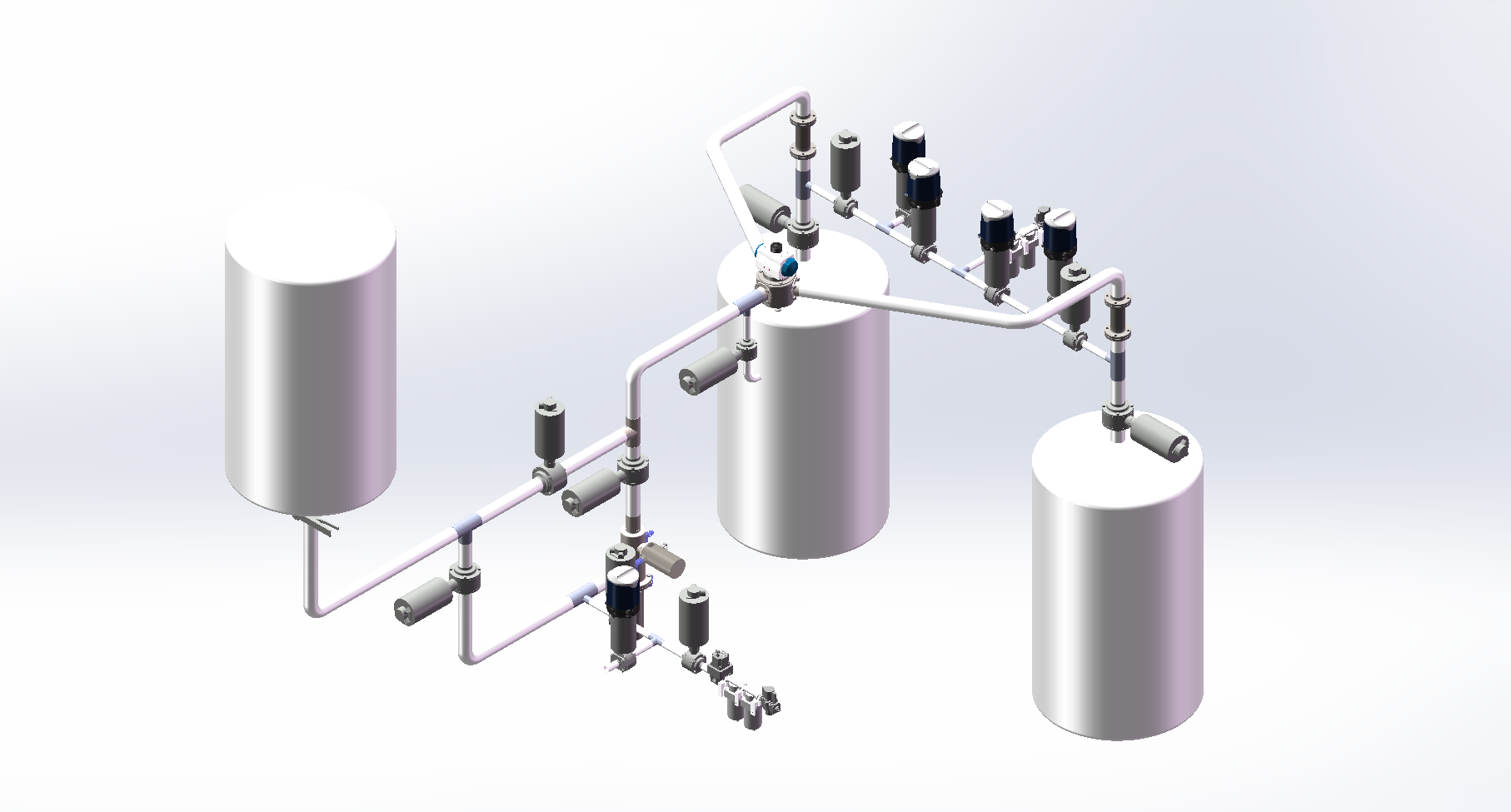
next level supplier friendly sanitary pigging for bulk feeds?
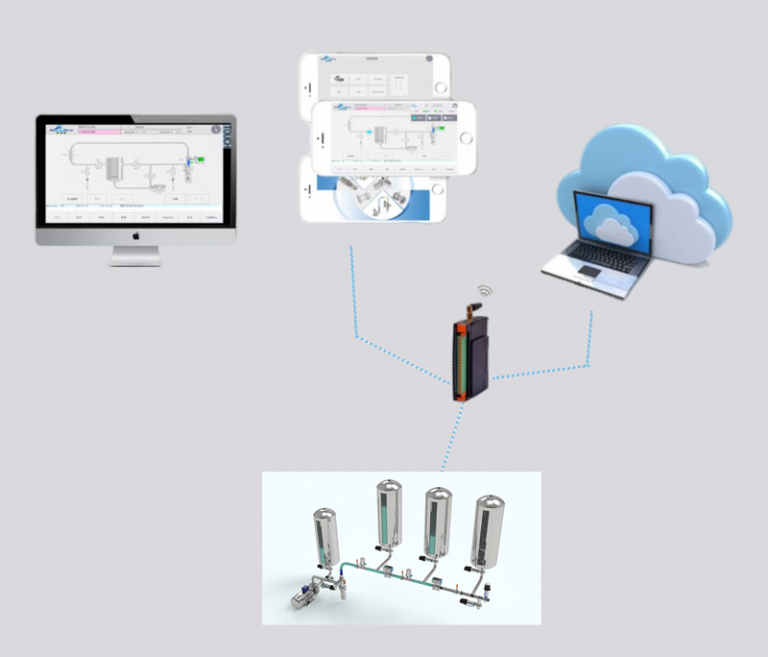
Initiating Advanced sanitary pigging systems Pigging Technologies
Sanitation-Focused Pigging Approaches
Utilizing contamination-controlled pigging operations maintains high-quality neatness alongside safe processing. Such solutions include durable sanitary metals engineered to enduring strict sanitization processes over stopping biological contamination.
- Cutting-edge models employ self-cleaning capabilities, boosting workflow productivity.
- Satisfaction of safety norms remains essential for each sanitary pigging system operated in nutritional product production. Technologies are developed to comply with stringent guidelines, supporting the ultimate product safety.
Advancing Operational Excellence through Pigging Systems
Pipeline maintenance pigging tools offers a dominant solution for advancing flow capacity. By applying intelligent in-line runner localization and strategic checkup intervals, engineers can lower service interruptions, raise flow rates, and preserve pipeline resilience. Pigging locates potential faults such as blockages or deterioration but also advances efficient maintenance and surveillance routines. This planned line operation considerably cuts budget outflows and supports the full resilience of distribution channels.
Pipeline Cleaning Systems in Pet Food Production
Pipeline sanitation devices have become necessary components within the pet food manufacturing industry. These systems support the safe and efficient conveyance of substances through passages, controlling cross-contamination. By efficiently partitioning different constituents or delivery groups, pigging systems facilitate protect the highest levels of merit and safety in pet food production.
Furthermore, pigging systems provide a selection of benefits, comprising reduced downtime for hygiene and operation, improved manufacturing speed, and meager substance reduction. The use of pigging systems decisively aids the production of sound, nourishing, and constant pet food.
Strategic Sanitary Design for Pigging in Pet Food
Throughout the scope of the development of pet food, achieving reliable sanitation is fundamental. Pigging systems are instrumental in maintaining product purity and reliability by competently sanitizing pipelines between processing stages. A well-designed pigging system contains ingredients that restrain septic dangers, facilitate effective sanitization processes, and eliminate safety breaches between batches.
- Installing sleek layers lessens the potential for microbial colonization.
- Constituents that are scrubbable and deterioration-proof are essential for upholding hygiene.
- Secure closures stops the reverse flow of undesirables during maintenance and ingredient conveyance.
Optimized pigging constructs also increase system productivity by shrinking downtime for sanitation. By systematically taking away residues and avoiding cross-contamination, these systems foster to a more consistent production process, clearly leading to the creation of sanitized and premium pet food.
Conduit Inspection and Hygiene
Sustaining the durability of fluid lines is important for secure and streamlined delivery of commodities. Pigging systems offer a efficient procedure to sanitizing pipelines. A pig, also recognized as a pipeline device, operates as a mechanized device deployed through the pipeline to deliver various tasks. Cleaning pigs cleanse buildup and contaminants, while inspection pigs are loaded with devices to detect erosion in the pipe walls. Regular pigging helps diminish pipeline disruption, securing safe and reliable process.
- Various types of pigs function, each engineered for specific applications.
- Pigging operations are reliable and can be handled with ease.
- Integrating a pigging program can prolong the durability of pipelines and diminish maintenance costs.
Advanced Pigging Technologies for the Pet Food Industry
Pigging appears as a key technology in the pet food industry, supporting efficient and sanitary production.
Modern pigging technologies employ sophisticated hardware to thoroughly purify pipelines. This cuts down the risk of hazardous transfer between different pet food formulations, thereby optimizing product safety and quality.
Moreover, advanced pigging solutions offer a range of benefits such as: * Optimized sanitation workflows * Shrunken interruption frequencies * Upgraded cleanliness protocols * Lowered dependency on toxic agents
The implementation of these technologies highlights the pet food industry's commitment to delivering secure and premium food for animal lovers.
Obstacles and Remedies in Pigging Systems for Pet Food Production
Pipeline pigging technologies are indispensable in the pet food production process, maintaining efficient movement of ingredients and finished products. However, these systems grapple with varied challenges. One usual concern is blockages caused by ingredient agglomeration. Mitigating this downside involves deploying pigging approaches such as flexible pigs and fine-tuning ingredient compounds.
Another issue is the potential of contamination. Mitigate this, strict purification protocols have to be maintained throughout the pigging system. This embraces regular purification of pigging tools and implementation of potent cleaning formulas. Regular maintenance are also significant to locate potential problems early on. By following these solutions, pet food manufacturers can secure the efficiency and safety of their pigging systems.
Rewards of Pigging Techniques in Pet Food Manufacturing
Pipeline cleansing solutions offer a variety of benefits for pet food manufacturers working to optimize their production processes. These systems leverage air-driven pressure to propel such pig, a cleaning device, through the pipeline, efficiently removing product residue and contaminants. As a result, pigging systems promote to heightened hygiene standards, lowering the risk of cross-contamination and safeguarding a safer final product for animals.
- Besides, pigging systems can elevate production efficiency by diminishing downtime for cleaning and maintenance.
- Furthermore, they facilitate to decrease waste by curbing product loss during pipeline cleaning.
- Finally, pigging systems can be personalized to comply with the specific requirements of different pet food production lines.
Real-World Pigging Success in Pet Nutrition Facilities
Animal nutrition sector is growing toward efficient and sanitary protocols for sustaining optimal product quality. Pigging systems have been recognized as a popular solution to meet these demands, offering a efficient method for cleaning and controlling pipelines within pet food plants.
Numerous case studies reveal the efficiency of implementing pigging systems in various segments of pet food production.
- Manufacturers like [Company A], [Company B], and [Company C] have shared significant improvements in sanitation, product soundness, and overall operational efficiency following the adoption of pigging systems.
- Outcomes such as reduced downtime for cleaning, diminished cross-contamination risks, and improved accountability of product flow have been observed in these case studies.
Moreover, pigging systems contribute to ecological reduction by boosting resource utilization and minimizing waste generation.
Choosing the Right Pigging System for Your Pet Food Pipeline
Concerning preserving the purity standards of your pet food network, a consistent pigging system is critical. Pigging systems maximize efficiency by eliminating product residue and curbing cross-contamination between batches. Selecting the fitting system depends on a variety of features, including your operational size, product characteristics, and current infrastructure.
- Assess the cross-section of your channels to ensure a fitting pig design.
- Evaluate the texture of your pet food products to identify the ideal pig material and rapidity of operation.
- Stress systems that supply features like computerized launching and retrieval for upgraded operational safety.