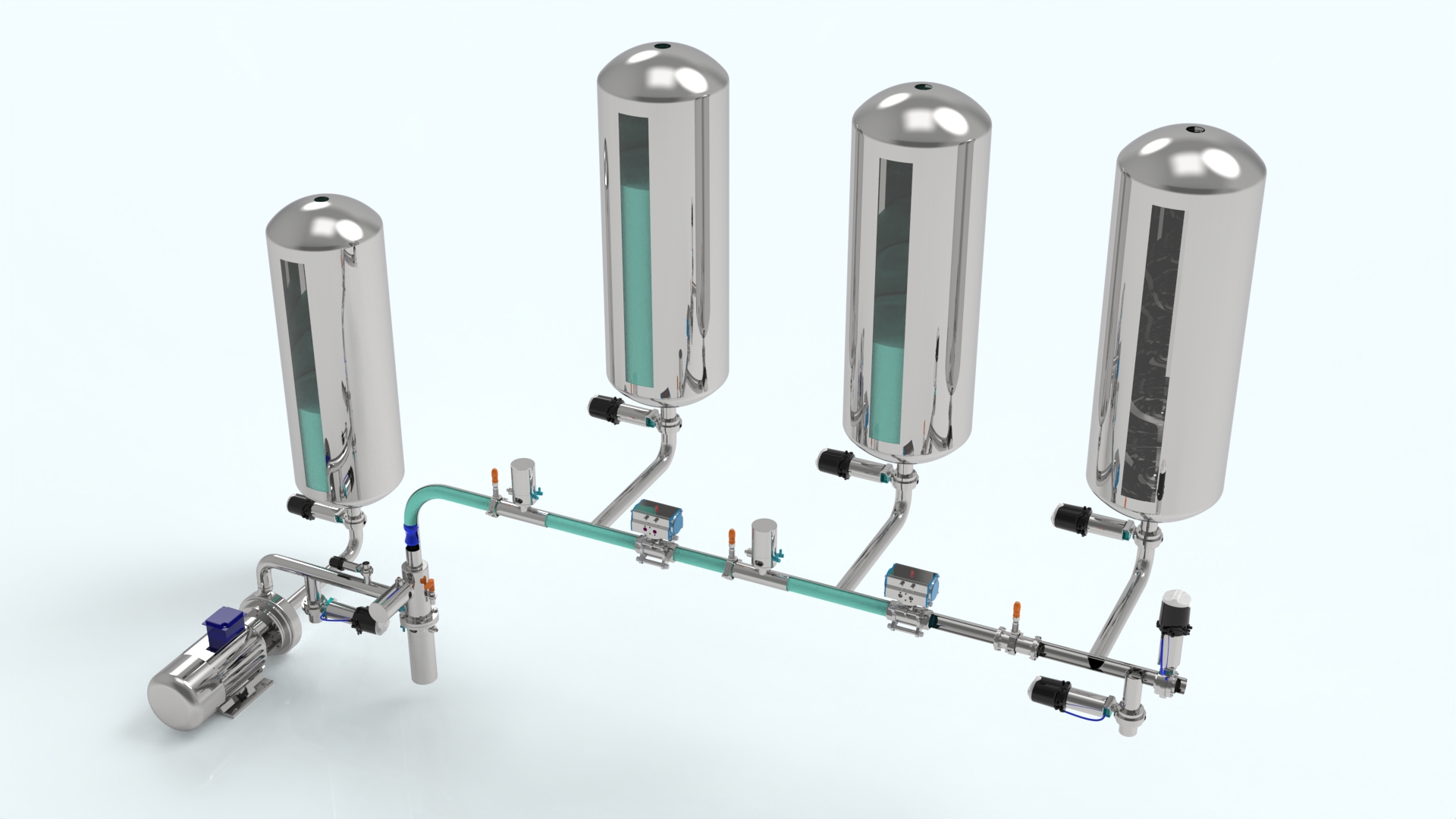
service supported distributed sanitary pigging in modular skids?
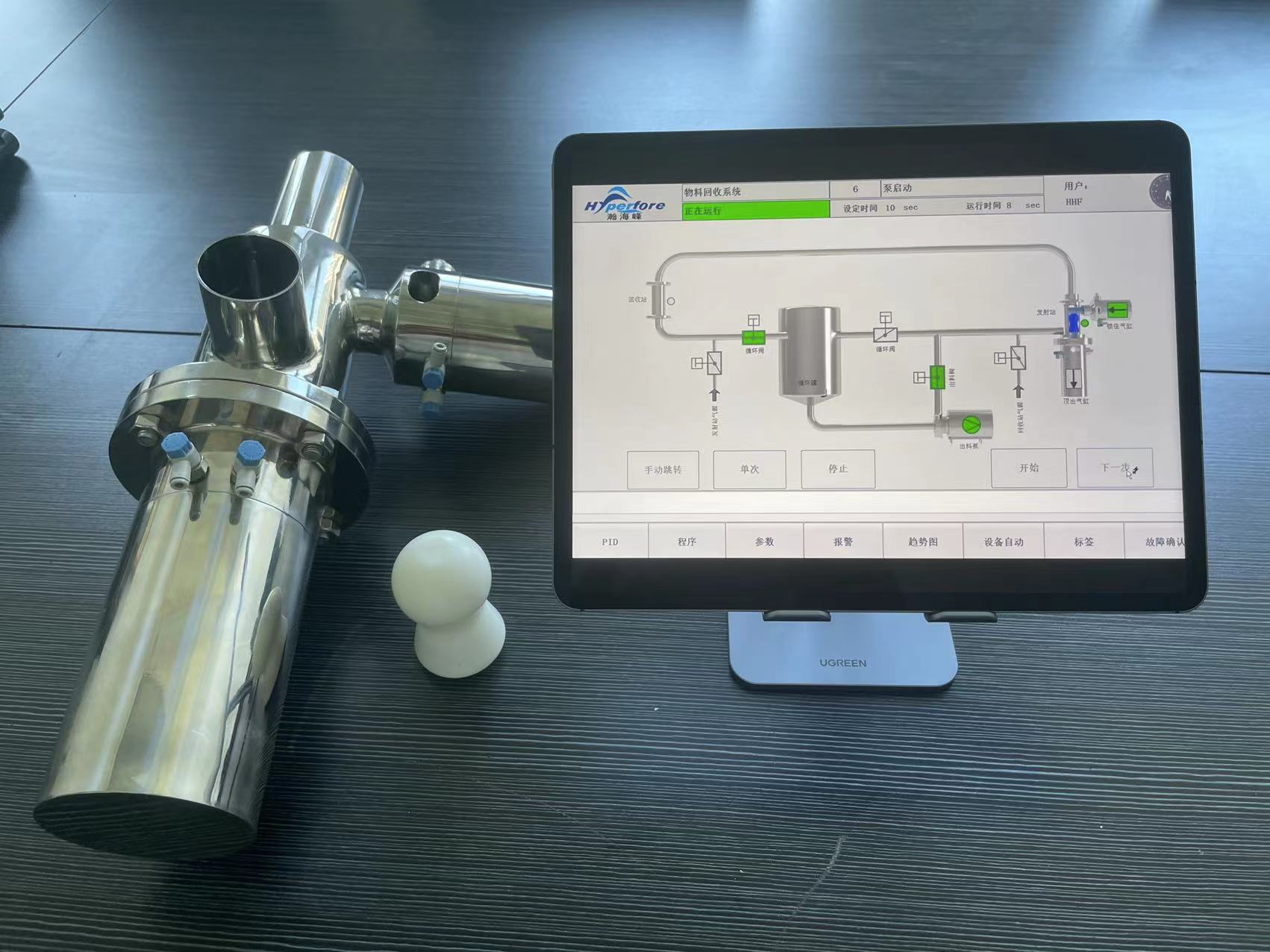
Initiating Modern Maintenance pigging systems Procedures
Hygienic Pigging Techniques in Food Production
Conducting sterile pipeline strategies provides superior sanitation as well as ingredient integrity. Such techniques feature high-grade materials capable of enduring intensive sterilizing cycles while hampering biofilm formation.
- Progressive blueprints feature efficient sterilization routines, improving functional performance.
- Following control measures holds priority for any cleaning protocol deployed in culinary industry. Techniques are fabricated to fulfill firm rules, confirming the highest safety levels.
Elevating Efficiency Gains from Pipeline Pigging
Fluid transport pigging methods contributes a effective practice for enhancing pipeline operation. Via harnessing intelligent inspection tool usage and strategic monitoring plans, field teams can decrease system breaks, enhance stream velocities, and ensure pipeline soundness. Pigging spots potential defects such as hindrances or damage but also supports efficient repair and inspection procedures. This forward-looking channel supervision greatly lowers service charges and fosters the overall reliability of the network.
Hygienic Pigging in Pet Food Manufacturing
Pig-based cleaning methods have become fundamental components within the animal dietary supply industry. These systems improve the safe and efficient transfer of components through tubes, lessening quality compromises. By firmly segregating different components or manufacturing runs, pigging systems support sustain the highest levels of condition and soundness in pet food production.
As well, pigging systems present a set of benefits, consisting of reduced downtime for sterilization and maintenance, improved process efficiency, and low material waste. The use of pigging systems eventually supports the production of secure, healthy, and consistent pet food.
Sanitation-Driven Pigging Frameworks in Pet Nutrition
Amid the creation of pet food, securing cleanliness is critical. Pigging systems are pivotal in securing product excellence and protection by efficiently cleaning pipelines between fabrication stages. A well-designed pigging system entails aspects that reduce pollution hazards, increase successful decontamination cycles, and mitigate impurity infusion between batches.
- Incorporating sanitary finishes reduces the potential for infection growth.
- Substances that are disinfectable and decay-resilient are important for preserving hygiene.
- Proper valving mitigates the regurgitation of contaminants during washdown and material passage.
Optimized pigging constructs also increase system productivity by shrinking downtime for sterilization. By systematically extracting residues and preventing cross-contamination, these systems help to a more reliable production process, indisputably leading to the manufacture of sanitized and superior pet food.
Flow Line Cleaning and Testing
Preserving the strength of conduits is paramount for safe and optimal circulation of fluids. Pigging systems grant a cost-effective system to preserving pipelines. A pig, also termed a pipeline apparatus, is a robotic device pushed through the pipeline to execute various duties. Cleaning pigs clear buildup and contaminants, while inspection pigs are fitted with instruments to detect flaws in the pipe walls. Regular pigging helps minimize pipeline malfunction, upholding safe and reliable operations.
- Numerous types of pigs work, each engineered for specific applications.
- Pigging operations are reliable and can be handled with ease.
- Integrating a pigging program can prolong the durability of pipelines and diminish maintenance costs.
Advanced Pigging Technologies for the Pet Food Industry
Pigging stands as a key approach in the pet food industry, supporting efficient and sanitary production.
Modern pigging technologies utilize sophisticated tools to competently sterilize pipelines. This lessens the risk of unintentional blending between different pet food product variants, thereby enhancing product safety and quality.
Additionally, advanced pigging technologies offer a range of benefits such as: * Elevated cleaning process capabilities * Decreased inefficiency periods * Optimized disinfection processes * Limited demand for risky chemicals
The deployment of these technologies underscores the pet food industry's commitment to manufacturing safe and nutritious products for purchasers.
Hurdles and Strategies in Pigging Systems for Pet Food Production
Pipeline cleaning systems are necessary in the pet food production process, confirming efficient distribution of substances and finished products. However, these systems experience numerous challenges. One standard obstacle is blockages caused by element clustering. Handling this challenge involves implementing pigging plans such as adaptable devices and refining ingredient structures.
Another concern is the threat of contamination. Prevent this, strict cleansing protocols ought to be maintained throughout the pigging system. This includes regular scrubbing of pigging tools and adoption of potent cleaning formulas. Regular maintenance are also indispensable to recognize potential problems early on. By embracing these solutions, pet food manufacturers can safeguard the efficiency and reliability of their pigging systems.
Advantages of Pigging in Pet Food Production
Pipeline pigging tools offer a variety of profits for pet food manufacturers looking to boost their production processes. These systems employ power-driven pressure for the purpose of propel specific pig, a cleaning device, through the pipeline, successfully removing product residue and contaminants. Ultimately, pigging systems aid to improved hygiene standards, decreasing the risk of cross-contamination and ensuring a safer final product for users.
- Furthermore, pigging systems can enhance production efficiency by lessening downtime for cleaning and maintenance.
- Moreover, they promote to lower waste by restricting product loss during pipeline cleaning.
- In addition, pigging systems can be configured to meet the specific requirements of different pet food production lines.
Real-World Pigging Success in Pet Nutrition Facilities
Animal nutrition sector is growing toward efficient and sanitary protocols for sustaining optimal product quality. Pigging systems have appeared as a leading solution to meet these demands, offering a dependable method for cleaning and controlling pipelines within pet food plants.
Various case studies reveal the performance of implementing pigging systems in various segments of pet food production.
- Manufacturers like [Company A], [Company B], and [Company C] have recorded significant improvements in sanitation, product standard, and overall operational capacity following the adoption of pigging systems.
- Outcomes such as reduced downtime for cleaning, lessened cross-contamination risks, and improved oversight of product flow have been reported in these case studies.
Additionally, pigging systems contribute to eco-friendly reduction by amplifying resource utilization and minimizing waste generation.
Electing the Right Pigging System for Your Pet Food Pipeline
When it comes to guaranteeing the cleanliness standards of your pet food conveyor, a solid pigging system is paramount. Pigging systems optimize efficiency by flushing product residue and reducing cross-contamination between batches. Selecting the correct system depends on a variety of criteria, including your manufacturing volume, input characteristics, and functional infrastructure.
- Weigh the diameter of your pipelines to ensure a suitable pig design.
- Scrutinize the consistency of your pet food products to select the most suitable pig material and pace of operation.
- Concentrate on systems that incorporate features like automated launching and retrieval for better risk reduction.