strategic advantage icp etcher integration to fab lines?
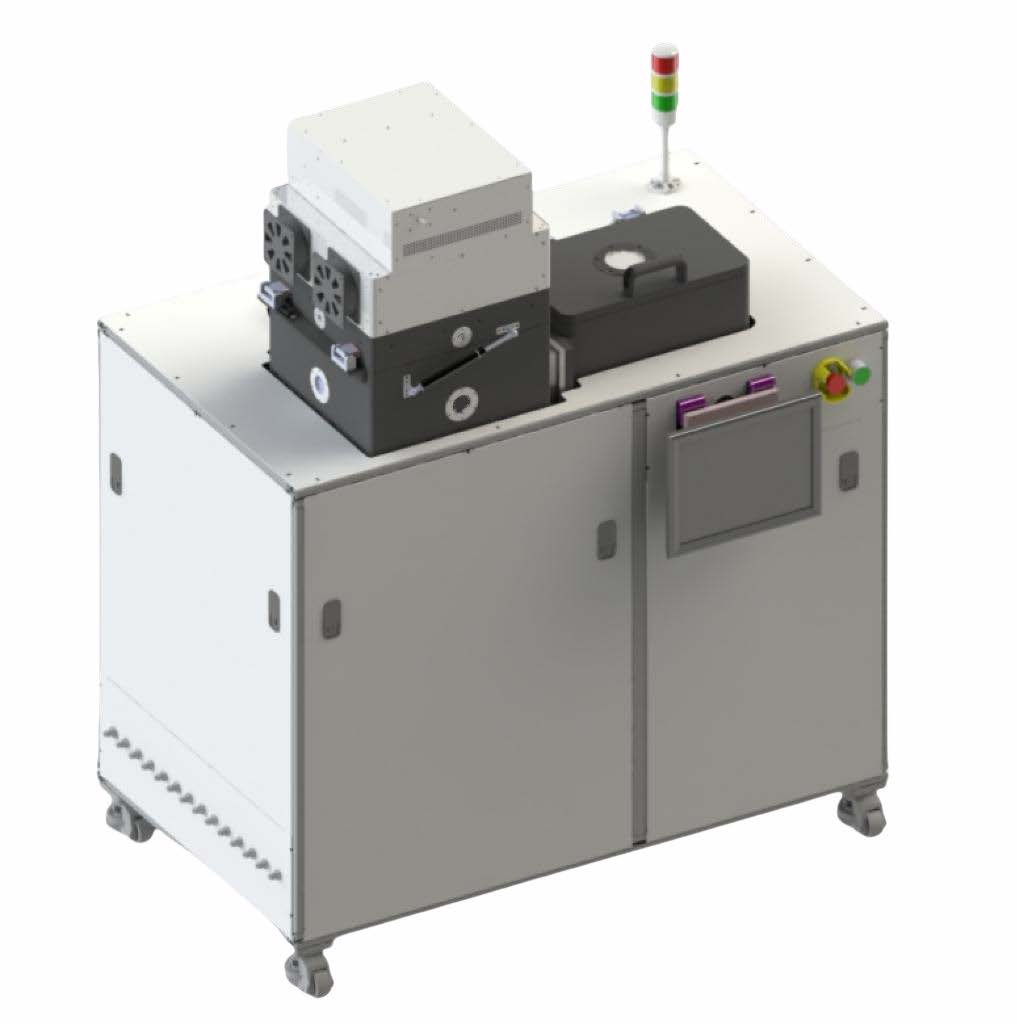
Basic Principles within plasma removal within electronic manufacturing. This approach exploits excited plasma to finely ablate surface materials for precise patterning during microfabrication. By adjusting core determinants like gas blends, electrical intensity, and confined pressure, the material ablation velocity, target specificity, and profile sharpness can be finely tuned. Ion-assisted etching has redefined electronic patterning, detector devices, and advanced technological gadgets.
- Besides, plasma etching is broadly considered for areas involving light manipulation, bioengineering, and material physics.
- A variety of forms of plasma etching are available, including reactive plasma etching and coupled plasma techniques, each with particular pros and weaknesses.
The challenging characteristics of plasma etching depend on a comprehensive grasp of the relevant mechanics and chemical mechanisms. This review seeks to offer a exhaustive survey of plasma etching, touching upon its foundational notions, multiple varieties, services, positive traits, obstacles, and anticipated innovations.
High-Precision Riechert Equipment
Concerning small-scale production, Riechert etchers excel as a prime option. These state-of-the-art devices are famed for their unrivaled correctness, enabling the construction of complex entities at the invisible extent. By employing cutting-edge etching methods, Riechert etchers provide spot-on guidance of the manufacturing sequence, generating first-rate outcomes.
Applications of Riechert etchers cover a varied selection of sectors, such as electronics. From building microchips to designing cutting-edge medical gadgets, these etchers form a cornerstone in forming the outlook of scientific progress . With commitment to achievement, Riechert pioneers norms for exact microfabrication.
Reactive Ion Etching: Essentials and Usage
Ion-assisted reactive etching serves as a key strategy in circuit production. RIE uses a integration of charged particles and reactive gases to excise materials with exact targeting. This procedure includes bombarding the workpiece layer with active charged particles, which bond with the material to produce volatile reactive emissions that are then extracted through a suction system.
RIE’s ability to perform directional etching makes it extremely important for producing complicated schematics in electronic circuits. Functions of reactive ion etching include the fabrication of transistor elements, integrated circuits, and light devices. The technique can also make high-aspect cavities and through-silicon vias for compact memory devices.
- Reactive ion processes enable meticulous monitoring over pattern formation speeds and compound distinction, enabling the generation of intricate details at micro-level precision.
- Numerous plasma-reactive compounds can be deployed in RIE depending on the fabrication surface and needed process properties.
- The anisotropic quality of RIE etching enables the creation of defined flanks, which is necessary for certain device architectures.
Controlling Etch Profiles in ICP Processes
ICP-driven etching has been introduced as a noteworthy technique for generating microelectronic devices, due to its high-level capacity to achieve intense directional removal and compound differentiation. The detailed regulation of plasma characteristics, including plasma power, reactive gas blends, and plasma pressure, enables the fine-tuning of etching velocities and device contours. This malleability facilitates the creation of intricate layouts with limited harm to nearby substances. By optimizing these factors, ICP etching can greatly control undercutting, a pervasive complication in anisotropic etching methods.
Study of Plasma Etching Procedures
Reactive plasma etching techniques are broadly executed in the semiconductor realm for constructing elaborate patterns on silicon wafers. This analysis considers multiple plasma etching mechanisms, including plasma sputtering, to measure their efficiency for several substances and requirements. The review points out critical parameters like etch rate, selectivity, and surface detail to provide a in-depth understanding of the pros and shortcomings of each method.
Adjustment of Plasma Variables for Enhanced Efficiency
Obtaining optimal etching velocities in plasma techniques necessitates careful process alteration. Elements such as power supply, elements merging, and density rate considerably control the speed of removal. By deliberately refining these settings, it becomes achievable to increase performance outcomes.
Analyzing Chemistry in RIE
Reactive ion etching (RIE) is a crucial process in microscopic fabrication, which entails the employment of ionized carbon particles to meticulously carve materials. The fundamental principle behind RIE is the dynamic interplay between these reactive charged domains and the material interface. This interaction triggers ionic reactions that parse and remove molecules from the material, resulting in a aimed-for form. Typically, the process adopts a combination of etching compounds, such as chlorine or fluorine, which get electrically charged within the processing cell. These plasma species affect the material surface, prompting the etching reactions.The effectiveness of RIE depends on various elements, including the form of material being etched, the adoption of gas chemistries, and the system controls of the etching apparatus. Careful control over these elements is important for reaching premium etch outlines and controlling damage to surrounding structures.
Plasma Profile Optimization in ICP
Gaining faithful and reliable shapes is important for the achievement of multiple microfabrication processes. In inductively coupled plasma (ICP) etching systems, command of the etch design is paramount in setting measures and structures of components being constructed. Key parameters that can be controlled to determine the etch profile consist of flowing gases, plasma power, material heat, and the electrode configuration. By methodically varying these, etchers can realize patterns that range from uniform to precisely oriented, dictated by specialized application prerequisites.
For instance, vertically aligned etching is commonly aimed for to create extended slots or vertical connections with accurate sidewalls. This is obtained by utilizing large fluoro gas concentrations within plasma and sustaining small substrate temperatures. Conversely, uniform etching makes softly contoured profiles owing to its three-dimensional character. This kind can be beneficial for large-area removal or surface defect correction.
Furthermore, leading-edge etch profile techniques such as high-aspect ion etching enable the creation of remarkably controlled and elongated, vertical features. These ways typically require alternating between reactive phases, using a fusion of gases and plasma conditions to produce the intended profile.
Discerning key influences that shape etch profile regulation in ICP etchers is indispensable for improving microfabrication strategies and achieving the aimed-for device effectiveness.
Charged Particle Etching in Electronics
Plasma etching is a essential strategy employed in semiconductor assembly to surgically cleanse substances from a wafer top. This operation implements high-energy plasma, a concoction of ionized gas particles, to strip focused regions of the wafer based on their substrate characteristics. Plasma etching facilitates several benefits over other etching approaches, including high profile control, which facilitates creating narrow trenches and vias with minimized sidewall wear. This meticulousness is paramount for fabricating intricate semiconductor devices with structured layouts.
Purposes of plasma etching in semiconductor manufacturing are wide-spread. It is employed to produce transistors, capacitors, resistors, and other essential components that build the root of integrated circuits. Also, plasma etching plays a significant role in lithography procedures, where it allows for the exact structuring of semiconductor material to frame circuit blueprints. The exquisite level of control afforded by plasma etching makes it an major tool for leading semiconductor fabrication.
Emerging Directions in Plasma Etching Technology
Reactive ion etching methods remains in constant development, driven by the expanding quest for rie etcher better {accuracy|precision|performance